A bespoke approach to outdoor thermal comfort
KEO’s Nagham Ismail talks to BPME’s Jason Saundalkar about the findings of KEO’s Outdoor Thermal Comfort whitepaper and the importance of bespoke microclimate analysis for projects

Last year KEO International Consultants (KEO) published an extensive whitepaper titled ‘Rethinking Outdoor Thermal Comfort for Developments in the City of Riyadh’. The report outlined findings from a detailed microclimate analysis of Riyadh that was conducted by KEO’s sustainability engineers: Nagham Ismail, Sustainability Engineer and Ahmed Labeeb, Senior Sustainability Energy Manager. The report’s goal was to assess the Outdoor Thermal Comfort (OTC) of outdoor spaces and introduce tailored solutions to the microclimatic conditions found in Riyadh.
The move aligned with Vision 2030 and Riyadh’s updated Sustainability Strategy, which is expected to have a positive impact on liveability throughout the city, through the development of expansive outdoor parks and other such initiatives. “Our parks will foster a sense of community, strengthen our residents’ connection with their environment and improve the quality of life for citizens across the capital,” said His Excellency Fahd Al-Rasheed, the Chief Executive Officer of the Royal Commission for Riyadh City (RCRC).
OTC can provide deep insights with regards to urban planning and KEO notes that prioritising outdoor comfort can promote healthy lifestyles, reduce reliance on vehicles and enhance economic sustainability. In Saudi Arabia’s green building rating system (MOSTADAM) OTC is a keystone credit under the category of Community Wellbeing, as well as Health and Comfort. This emphasis on OTC ensures that new developments are designed to create outdoor spaces with optimal microclimatic conditions, enticing visitors to enjoy their experience in a comfortable and healthy environment.
In the Middle East and in key cities such as Riyadh and Dubai which are in the midst of significant development, OTC will become even more important in coming years as research has found that the climate in the region is changing more rapidly and dramatically than ever before, with international climate commentators noting that the Middle East is warming twice as fast as the global average.
Talking to Jason Saundalkar, Head of Content at Big Project Middle East exclusively about the vision behind the report, Ismail comments, “The drive behind this undertaking stems from Riyadh’s unique challenges as a rapidly urbanising city in one of the world’s hottest climates. Creating comfortable and functional outdoor spaces in such extreme conditions is not merely a matter of enhancing urban aesthetics but a necessity for fostering liveability and sustainability. The KEO team sought to develop a practical framework that would enable urban planners to incorporate microclimate analysis into their design process, ensuring that outdoor environments are not only thermally comfortable but also aligned with Riyadh’s broader sustainability goals.”
“One key motivator was the increasing demand from Riyadh’s real estate developers, who require microclimate analysis as part of their sustainability requirements or to achieve the goals set in rating systems like Mostadam for Communities. This reflects a growing recognition of the importance of addressing OTC as a critical aspect of urban design and development in the region.”
Asked about the challenges with regards to designing outdoor spaces in a city such as Riyadh, Ismail remarks, “Riyadh’s harsh climate is the primary challenge, with summer temperatures often exceeding 40-degrees Celsius, designing outdoor spaces that achieve an acceptable thermal comfort level requires innovative and adaptive strategies. The goal is to mitigate the intense heat and create environments where people could comfortably spend time outdoors, even during peak summer months. This involves exploring cutting-edge solutions that balance cooling effectiveness, feasibility, sustainability, and cost efficiency.”
Commenting on the difficulty of producing such a detailed report, Ismail says, “On the technical side, implementing the microclimate analysis, including sun shading and wind analysis for the expansive area of Riyadh City proved to be particularly complex. The scale of the site necessitated advanced technological tools and required striking a balance between achieving high accuracy and managing computational costs.”

OTC in Extreme Environments
Outdoor thermal comfort is impacted by a number of different issues, some of which are natural and others that are human-made. Discussing the natural elements first in cities such as Riyadh and Dubai, Ismail explains, “Extreme climate conditions are a natural phenomenon; both cities experience intense heat, with summer temperatures often exceeding 40-degrees Celsius.”
“In Riyadh, the low humidity exacerbates the sensation of heat, while in Dubai, the combination of high temperatures and elevated humidity creates outdoor conditions that are particularly oppressive. These extreme conditions pose significant challenges to outdoor thermal comfort, making prolonged human activity outdoors highly uncomfortable or even unsafe.”
Due to the different climate characteristics observed in each city, Ismail notes that the strategies to mitigate heat vary significantly. “For instance, evaporative cooling, a technique that can be effective in dry climates like Riyadh, would be less beneficial in Dubai, where high humidity limits its efficiency. This distinction underscores why the microclimate analysis presented in our white paper is tailored specifically to Riyadh’s unique climatic conditions and cannot serve as a universal or one-size-fits-all approach. Effective thermal comfort solutions must be customised to the specific environmental and climatic context of each city,” she warns.
In terms of human-made causes that affect OTC, Ismail notes there are two issues in particular. “The urban head island effect is one such human-made issue; the dense urban fabric, dominated by concrete, asphalt, and other heat-retaining materials, amplifies the urban heat island effect. These materials absorb and store heat during the day and release it at night, preventing cooling and maintaining higher temperatures in urban areas compared to surrounding rural regions. This phenomenon significantly diminishes outdoor thermal comfort, especially in areas with limited vegetation or shading.”
“Limited natural ventilation is another human-made challenge. The design and layout of urban areas, including densely packed buildings and narrow streets, can obstruct wind flow, reducing natural ventilation. This stagnation of air can trap heat and pollutants, further degrading outdoor thermal comfort. In cities like Dubai, where taller buildings are prevalent, wind patterns can be disrupted, creating localized heat pockets that exacerbate discomfort.”
Based on the analysis conducted by the KEO team, Ismail says that conducting a microclimate analysis for each specific project is vital for urban planners that are looking to enhance OTC. She states, “Urban planners should prioritise the completion of a microclimate analysis like the one presented in the whitepaper, tailored to the specific project site. This microclimate analysis, which integrates the site’s climate data, leads to recommendations on where to install shading (such as trees, canopies, and pergolas to reduce solar radiation), wind barriers or fans (based on the interaction between wind and buildings), and the integration of both passive and active cooling strategies, such as those proposed in the whitepaper tailored to Riyadh, to alleviate the heat stress and improve the outdoor thermal comfort. It is important to emphasise that every project requires its own tailored strategies based on its unique factors and sustainability requirements.”
The whitepaper revealed that water misting and radiant cold tubes technology are potential solutions to mitigating outdoor heat in Riyadh’s urban environments. Asked about the requirements in terms of resources and the impact these solutions could have on cities achieving their sustainability and/or Ne Zero goals, Ismail says, “Water misting systems require a continuous water supply and energy to power pumps and atomisers that disperse fine water droplets into the air. While water misting is effective for localised cooling, it may not align well with Net Zero or sustainability objectives unless the system is designed thoughtfully. The main concern is water consumption, especially in arid regions. To align with sustainability goals, it is important to use filtered/treated reclaimed water, and incorporate energy-efficient or renewable power sources for the pumps to minimize the environmental impact.”
Explaining radiant cold tubes, she highlights, “Radiant cold tubes use chilled water or other coolants circulating in a closed loop through tubes to absorb heat from the surrounding air. These systems require energy to cool the water or coolant, and network infrastructure to distribute it. The cooling energy typically comes from a central cooling plant or district cooling system.”
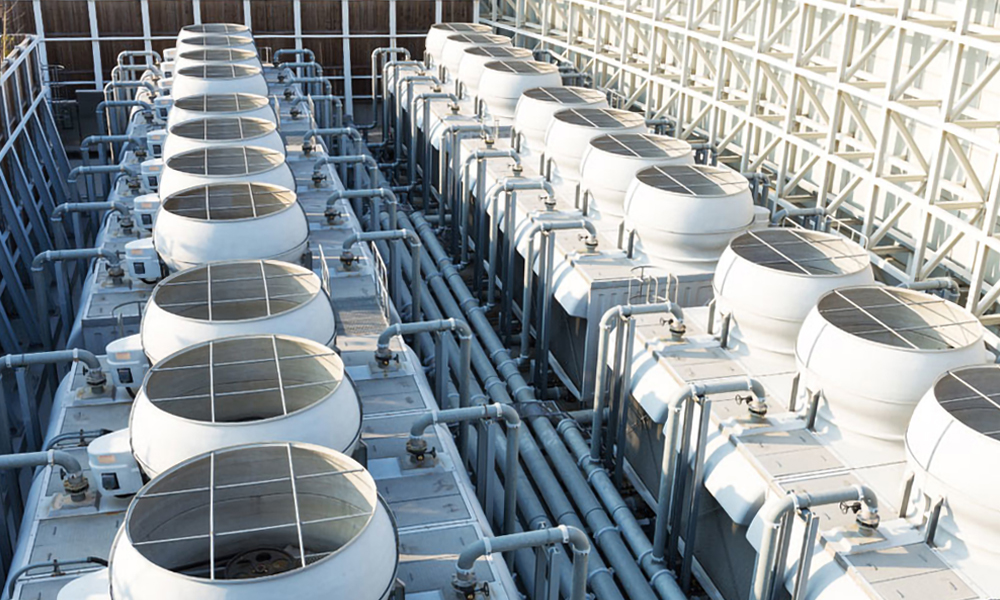
“Radiant cold tubes can be an energy-efficient cooling solution, especially when compared to traditional air conditioning systems, because they provide direct radiant cooling without relying on forced air systems. However, their impact on sustainability and Net Zero objectives depends on the energy source used. If powered by renewable energy or district cooling systems that use low-carbon technologies, radiant cold tubes can help reduce the carbon footprint of cooling.”
While countries around the world are battling to reduce greenhouse gas emissions (GHGE), prevent climate change and achieve a Net Zero future, the reality is that global warming and climate change are already having a pronounced impact around the world, and in the Middle East in particular.
“By the latter half of this century, up to half of the MENA population — around 600m people — could be exposed to super- and ultra-extreme heatwaves. Temperatures during these events could reach and even exceed 56-degrees Celsius, lasting for several weeks. And even though the region has seen increased aridity, extreme rainfall events are becoming more intense. As sea surface temperatures rise, the atmosphere holds more moisture, leading to more severe precipitation events,” warned Khalifa University’s Dr. Diana Francis who co-authored a recent study on climatic shifts.
Pressed about the impact of climate change on urban environments in the GCC region and what urban planners should be preparing for, Ismail responds, “Climate change is having significant impacts on urban environments in the GCC, including rising temperatures and heatwaves, water scarcity, extreme weather events (such as intense rains), and ecosystem degradation. Urban planners must prepare for these challenges by integrating climate resilience strategies into urban design, focusing on sustainable resource management, and ensuring that infrastructure is adaptable to future climate scenarios.”
“Regarding the microclimate analysis elaborated in our paper, forecast studies that consider future extreme weather events, such as heatwaves, should be prioritised. One of the most notable impacts of climate change in the GCC region is the rise in average temperatures and the increasing frequency of extreme heatwaves. Cities like Riyadh, Dubai, and Abu Dhabi are experiencing more frequent days with temperatures exceeding 40-degrees Celsius, with some areas reaching record-breaking highs. This exacerbates the urban heat island effect, making outdoor spaces uncomfortable and increasing energy demands for cooling, which in turn strains energy resources and contributes to higher greenhouse gas emissions.”
“Therefore, urban planners need to prioritise strategies that mitigate the effects of heatwaves and high temperatures. This includes the creation of green spaces, the use of retro-reflective building materials, shaded walkways, and the integration of urban cooling technologies such as water misting or radiant cooling. Urban designs should also focus on reducing the urban heat island effect by increasing vegetation and minimising heat-retaining materials,” she adds.
Carbon Sinks
Greenspaces are important fixtures in urban environments that can reduce heat stress and reduce the urban heat island effect, and are now being increasingly mandated by authorities and decision-makers across the region.
Pressed for her thoughts on the potential impact of greenspaces and whether they can be developed and maintained effectively without further straining resources, Ismail explains, “First, it is important to clarify that greenspaces are not mandated solely for aesthetic purposes. In GCC countries, greenspaces play a crucial role in alleviating heat stress, reducing the urban heat island effect, and consequently lowering energy consumption for cooling buildings. However, the primary challenge in arid GCC cities is water scarcity.”

She adds, “Greenspaces can be developed and maintained sustainably without placing excessive strain on resources like desalinated water. By using a combination of drought-resistant plants (Palms, Succulents…), reclaimed or treated wastewater, and smart irrigation systems, urban areas can create efficient, functional greenspaces while preserving valuable water resources. The key is to design greenspaces with sustainability in mind, ensuring they contribute to both the environment and the well-being of the population, without compromising resource conservation goals.”
Natural and human-made carbon sinks are gaining popularity in developed and emerging markets around the world, with the latter potentially being a strong alternative to natural carbon sinks in regions like the GCC where water scarcity is a challenge.
Commenting on the impact natural and/or human-made carbon sinks could have on urban areas in the region, Ismail states, “While natural carbon sinks may face challenges in the GCC due to water scarcity and harsh climate conditions, human-made carbon sinks offer a viable and promising solution for mitigating climate change impacts in urban environments. Urban planners and policymakers in the GCC should focus on integrating green infrastructure, such as green rooftops, afforestation, and carbon capture technologies, into their cities to enhance carbon sequestration, improve air quality, and reduce the urban heat island effect. By combining both natural and human-made strategies, cities in the GCC can make significant strides toward achieving their sustainability goals and contributing to global climate action.”
“The whitepaper we developed focuses on conducting a comprehensive microclimate analysis to optimise outdoor green parks for the extreme climate conditions in the GCC, ensuring they are not only liveable but also attractive for regular use. By transforming these areas into environments that encourage visitation, urban planners can effectively increase the area available for carbon sequestration.”
Contributing to a Net Zero Future
The buildings and construction sector is one of the largest emitters of greenhouse gases around the world, with reports stating that 37% of all global emissions come from the sector. While the sector and its stakeholders have made efforts to reduce GHGEs, the sector still has a long way to go before it makes meaningful progress in terms of reducing its impact on the environment.
Asked about the most important issue that stakeholders in the sector have to address in 2025 in order to reduce their impact on the environment, Ismail remarks, “While this whitepaper focuses on transforming outdoor green parks into liveable and attractive areas where heat stress is alleviated, the construction of surrounding buildings plays a crucial role in achieving these goals. From a technical perspective, the Universal Thermal Comfort Index (UTCI), which is central to this analysis, relies on several environmental inputs, one of which is the ambient temperature. This temperature is directly impacted by the urban heat island effect, which can raise the dry bulb temperature by several degrees, particularly due to the heat retention of surrounding buildings and infrastructure.”
“To mitigate the effects of the urban heat island and improve thermal comfort, the construction industry must adopt low-carbon, sustainable materials throughout both the design and construction phases. By selecting materials that reduce heat absorption and minimise carbon emissions, urban developers can contribute to both the reduction of heat in outdoor spaces and the reduction of the overall carbon footprint of urban developments. This is particularly important in the GCC, where the climate intensifies the challenges of heat stress.”
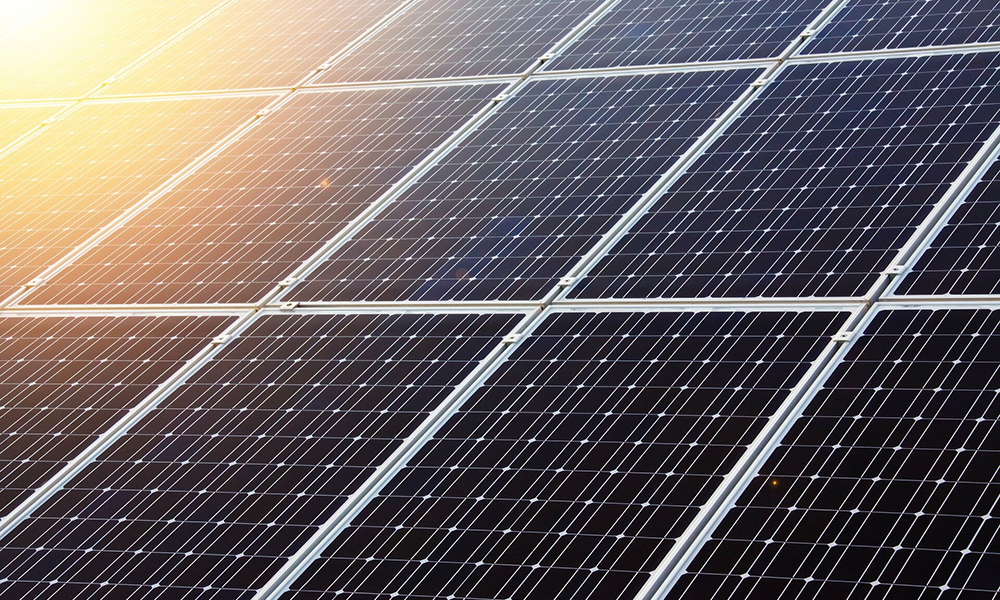
She highlights, “In 2025, the construction industry must prioritise energy efficiency and adherence to Green Building Standards. Implementing energy-efficient building systems and obtaining certifications such as LEED, Mostadam, or Estidama (which are crucial in the GCC) will be essential in minimising the environmental impact of new urban developments. This involves integrating solutions such as energy-efficient insulation, passive design strategies (e.g., shading, natural ventilation), and renewable energy technologies like solar panels and geothermal systems.”
Here, Ismail also points out that industry stakeholders require support from local government authorities to drive sustainability forward in a meaningful way. She concludes, “This support includes the development of clear sustainability policies and requirements, offering financial incentives for adopting green technologies, and creating standardised building certifications. Governments should also provide access to research, data, and pilot projects to guide sustainable design practices.”
“This vision aligns with the sustainability objectives outlined in Vision 2030 for Riyadh and the UAE, which have set ambitious targets for green infrastructure, renewable energy, and low-carbon development, helping to transform urban and built environments into more resilient, and sustainable areas, supporting long-term environmental goals and improving the quality of life for residents.”